T-Pro Biotechnology

Products
T-Pro Aqua EZ Clean
No.JT90-R001S (100ML/bot)
No.JT90-R001M (500ML/bot)
Introduction
A CO2 incubator or water bath are basic equipment required in tissue culture.
However these also make fertile breeding ground for contaminants due to the high humidity and temperature.
As soon as contamination appears it can be difficult to get rid of and severe damage can be caused.
It is therefore essential to systematically clean and disinfect the equipment.
The disinfection proceed every 14 days or one month each time at least.

Dedicated Laboratory Water Bath/Incubator Biocides:
This is the safest, most effective, and highly recommended option.
These products are specially formulated and typically contain:
Broad-Spectrum Biocides: Effective at low concentrations against bacteria, fungi, and algae.
Corrosion Inhibitors: To protect metal components.
Low-Foam or Non-Foaming Formulations: To prevent foam issues.
Stability: Maintains activity at elevated temperatures and over extended periods.
Relatively Low Toxicity/Irritancy: (At correct use concentrations) for personnel and the environment.
Always follow the manufacturer's recommended concentration.
Characteristics
Non-volatile
To bacteriostatic or prevention of bacteria's further growth
Operation simply and apply to the tray of CO2 incubator or water bath
The water should be replaced with sterile water every two to four weeks
Disinfecting the CO2 Incubator Surfaces (200X)
Adding 5ml of T-Pro Aqua EZ Clean per 1 liter of sterile water.
Please replace sterile water and add the T-Pro Aqua EZ Clean in the tray every 2~4 weeks.
Disinfecting Ordinary Water Baths (500X)
It is recommended to use 2ml of T-Pro EZ Clean per 1 liters of Water in the bath, and to repeat the procedure every 2~4 weeks.

Characteristics:
Explanation:
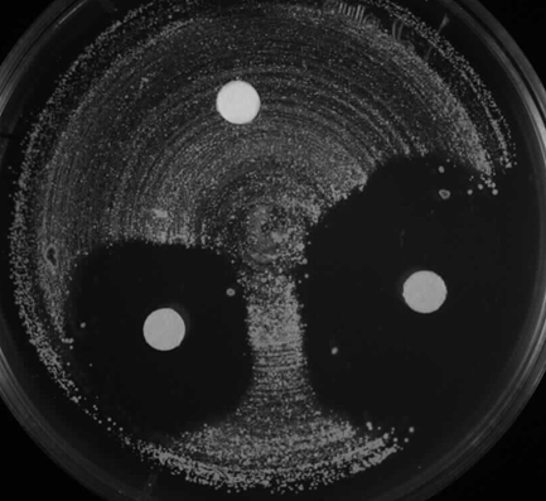
T-Pro MycoClean spray can wiped out the pollution of mycoplasma efficiently, it has extremely good clean results too for a variety of bacteria and virus (Such as Staphyhococcus aureus, Streptococcus faecalis, Escherichia coli, Proteus mirabilis, Pseudomonas aeruginosa, Candida albicans, HBV, Papova-, Adeno-, Polio- and Vaccinia Viridae). So, T-Pro MycoClean spray is a good clean sanitizer.
T-Pro MycoClean spray
No.JT90-R002 (500ML/bot)
It is about 60%~ 70% of cells culture which is polluted by mycoplasma in the world. The mycoplasma are among the smallest and clone of bacteria that can be duplicated by oneself. The size are around 0.1~0.8ums and having no cell wall. So, they are immune to some antibiotics as panicillin. It can be suppressed it to breed when in the heat of alcohol and acetaldehyde. The mycoplasma are free-living on around of the nature, include the incubator or biological safety cabinet of lab.
A bacterial contaminant are always sourcing from the pollution of overflowing culture solution, though the culture solution had dried, the mycoplasma can be lived in a while. And the most of source of pollution come from the water bath. Also, the mycoplasma can be survived in the pure water even.
Generally speaking, the air was filtered through HEPA filter on the oprations of biological safety cabinet.Although mycoplasma will not float with the wind as the spore,it will probably pollute on the ventilation pipe directly probably, fan etc and enters the aseptic operations area directly.
The heating has been the effective getting rid of the polluted of mycoplasma. Someone removes the mycoplasma with the medicament of content including formaldehyde. For mycoplasma,germ and virus, you will be getting a extremely efficiency to choice the T-Pro MycoClean spray. The user can to wipe away by paper in about 2 minutes after apply T-Pro MycoClean spray or may to wait for volatilization naturally in 10 minutes.

T-Pro Cell Counting Kit (CCK-8)
(500 tests) No.JK95-C008S (5x1ML/vial)
(1000 tests) No.JK95-C008M (2x5ML/vial)
(10,000 tests) No.JK95-C008L (20x5ML/vial)
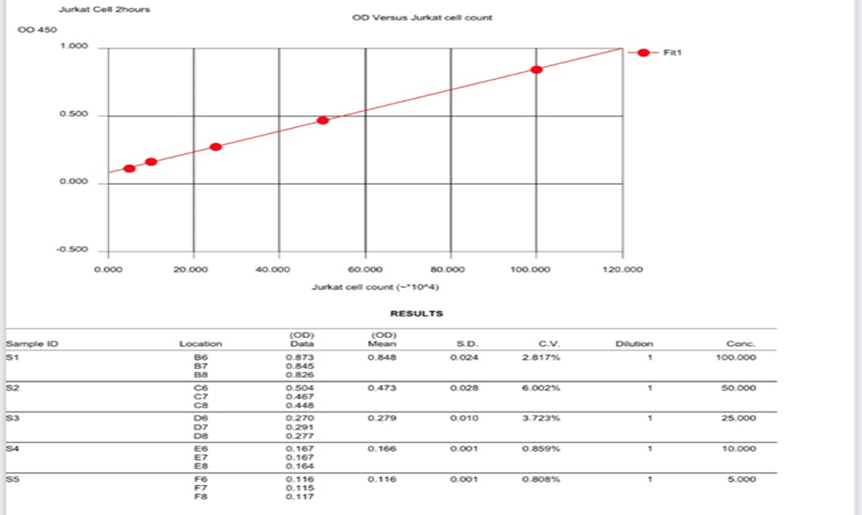
The T-Pro Cell Counting Kit (CCK-8) is a convenient and robust way of measuring cell viability. The kit uses a water-soluble tetrazolium salt to quantify the number of live cells by producing an orange formazan dye upon bio-reduction in the presence of an electron carrier